1. What Are the Key Applications of Underwater Lighting?
Underwater lighting plays a pivotal role in a variety of applications, from enhancing the visual appeal of swimming pools to ensuring safe navigation in lakes and rivers. In residential settings, underwater lighting can transform ordinary pools into stunning, glowing water features. With the use of high-quality LED lights, such as those provided by KLED, pools can be illuminated in vibrant colors, enhancing the overall aesthetic and creating a relaxing ambiance for nighttime swimming.
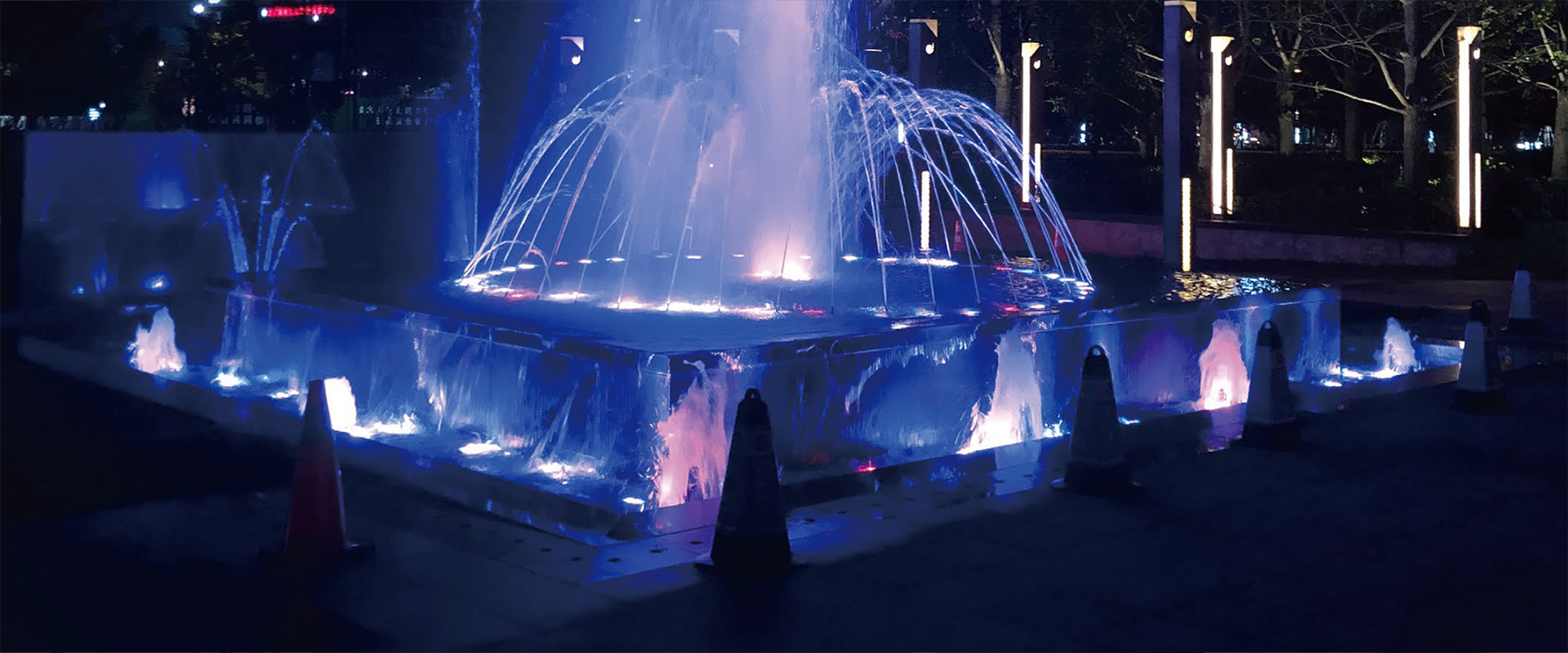
In commercial and public aquatic settings, such as hotels, resorts, or theme parks, underwater lighting not only adds charm but also plays a significant role in creating an unforgettable visual experience. Underwater lights are used in fountains, ponds, and even artificial lakes to highlight the water movement, offering a striking effect when paired with water jets. These lights can be programmed to change colors, intensities, and patterns, providing endless creative possibilities to enhance the environment.
Beyond decorative uses, underwater lighting also serves essential functional purposes in more practical applications, especially for safety. For instance, in marinas, harbors, and other water-related infrastructure, underwater lighting is used to outline boat docks, piers, and water pathways, ensuring visibility and preventing accidents. The integration of underwater lights into the design of rivers, canals, or even pools at night improves not just aesthetics but also waterway navigation, reducing the risks associated with poor visibility.
KLED's underwater lighting solutions are designed with advanced optical technology, ensuring that light distribution is optimized to create clear and even illumination under the water's surface, offering both beauty and functionality for a wide range of water features.
2. How Does Underwater Lighting Improve Safety and Visibility?
One of the most crucial aspects of underwater lighting is its ability to enhance safety. In many aquatic environments, good visibility is essential to prevent accidents, and underwater lighting plays a vital role in ensuring this. For swimming pools, particularly public or commercial pools, underwater lighting helps swimmers navigate the pool safely at night. Without proper lighting, submerged hazards or changes in depth can lead to accidents, especially in low-visibility conditions. By utilizing KLED’s energy-efficient LED lighting solutions, pool owners can improve visibility while creating a welcoming environment for evening swims.
In addition to pools, underwater lighting serves a critical role in preventing accidents around the edges of lakes, rivers, or harbors. By illuminating water’s edges and any submerged obstacles, these lights make these areas more visible to people, boats, and swimmers. For waterfront properties, KLED’s underwater lighting systems can be strategically placed around docks, ensuring that people can easily spot the water’s edge even in the dark. This is particularly beneficial for reducing the risk of falls or collisions with submerged objects.
Underwater lights are also important for ensuring safety in environments where poor visibility might otherwise cause delays in emergency situations. In areas with strong currents or murky water, using high-quality underwater lighting helps divers, swimmers, and rescue personnel locate individuals more efficiently, preventing dangerous situations. KLED’s advanced lighting systems, with their optimal thermal and structural designs, provide consistent performance even in challenging conditions, making them a reliable solution for safety-conscious users.
KLED’s ability to design durable, energy-efficient, and effective underwater lighting systems makes them a preferred choice for both aesthetic enhancement and safety improvement, offering a comprehensive solution for aquatic environments.
3. What Factors Should Be Considered When Choosing Underwater Lighting?
When selecting underwater lighting, several factors need to be taken into account to ensure both aesthetic appeal and long-lasting performance. One of the primary considerations is waterproofing and durability. Since underwater lighting is constantly exposed to moisture, corrosion, and the pressure of water, choosing a lighting system with a high IP (Ingress Protection) rating is essential. KLED’s underwater lighting systems are built with high IP ratings, such as IP68, ensuring they can withstand extreme underwater conditions without failing. This is crucial for guaranteeing the longevity of the lights and minimizing the need for frequent replacements or maintenance.
Energy efficiency is another significant factor in choosing underwater lighting. LED technology is the preferred choice for underwater lighting due to its low energy consumption, long lifespan, and ability to produce bright illumination with minimal heat output. KLED’s advanced LED technology is designed to provide vibrant, energy-efficient lighting that not only enhances the beauty of water features but also reduces operational costs for customers in the long term.
Installation and structural considerations are also crucial when choosing the right underwater lighting. Proper placement is key to ensuring even light distribution and achieving the desired lighting effect. The structural design of the lighting fixture is equally important to ensure it can handle the physical stresses of being submerged in water. KLED’s senior professional team, with extensive experience in structural analysis and thermal management, ensures that all their lighting systems are optimized for performance and durability. The company utilizes 2D and 3D design software to carefully plan every aspect of the light’s structure, ensuring that the lamps can withstand the harsh conditions of underwater use while maintaining maximum efficiency.
Environmental compatibility should be considered. KLED works with many renowned optical lens manufacturers to ensure that their underwater lighting is not only energy-efficient but also environmentally friendly. The company’s commitment to quality and innovation ensures that its products are compliant with industry standards and are safe for use in various aquatic settings.